Pam Bondi Said The Epstein Client List Was On Her Desk. The DOJ Said It Doesn't Exist.
This case file is produced by Fragment Zero's editorial team. Original research, sourcing, and narrative analysis are performed by human editors. Voiceover is synthesized; visual illustrations are AI-generated. Every factual claim is cited to public documents, peer-reviewed publications, or named primary sources. See methodology and disclaimer.
Pam Bondi Said The Epstein Client List Was On Her Desk. The DOJ Said It Doesn't Exist.
In February of two thousand twenty-five, the Attorney General of the United States told a national television audience that the Jeffrey Epstein client list was, quote, sitting on my desk right now to review.
Five months later, on July seventh, the same Justice Department she leads issued a memorandum stating that the list did not exist, that no credible evidence supported the claim that Epstein had blackmailed prominent individuals, and that further inquiry into the matter was not warranted.
Four months after that, the United States Congress passed a federal law forcing the Justice Department to publicly release every document in the Epstein investigation files. The President signed it. The Department had thirty days.
When the deadline arrived on December nineteenth, the first batch released by the Department contained over five hundred pages that had been redacted in their entirety — black bars across every line.
This is the story of a federal investigation that produced records the federal government has spent sixteen years deciding whether the public is permitted to see, and what happened in the eleven months that the political branches of the United States government spent contradicting themselves about a list whose existence is, by the Attorney General's own sworn statements, both confirmed and denied.
This is Fragment Zero, Case File forty-five. The Epstein Files.
To understand the controversy over what the government is releasing in twenty twenty-five and twenty twenty-six, you need to understand what the government already had — and when.
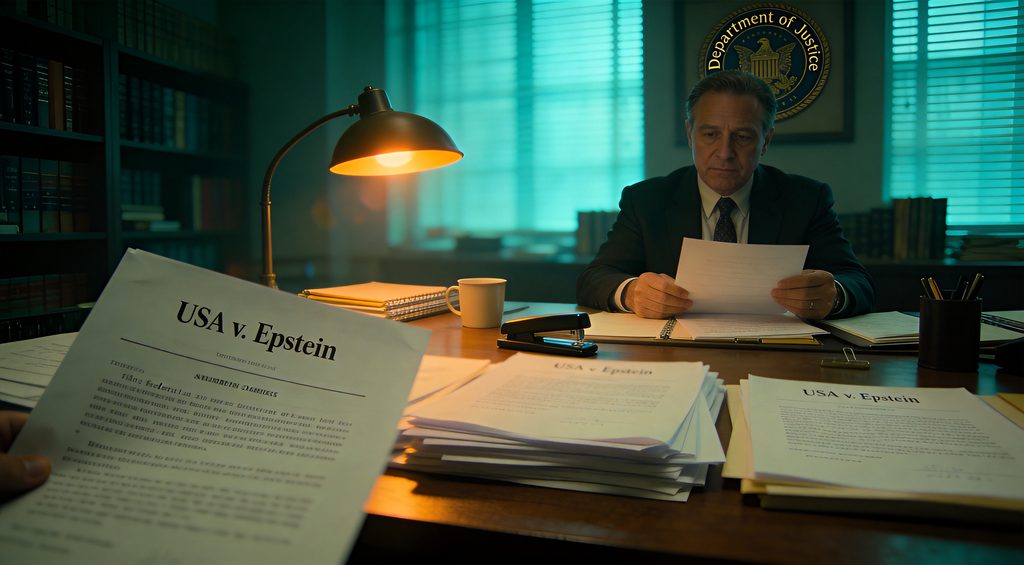
Between two thousand and five and two thousand and seven, the Palm Beach Police Department, the Florida State Attorney's Office, and ultimately the Federal Bureau of Investigation investigated Jeffrey Epstein on suspicion of trafficking minors at his Palm Beach residence. The investigations produced witness statements from over thirty identified victims, photographic evidence from search warrants executed at the residence, financial records linking Epstein to associates whose names would later appear in court documents, and a draft federal indictment prepared by the U.S. Attorney's Office for the Southern District of Florida that, according to that office's subsequent inspector general review, would have charged Epstein with conspiracy to commit sex trafficking.

The indictment was never filed.
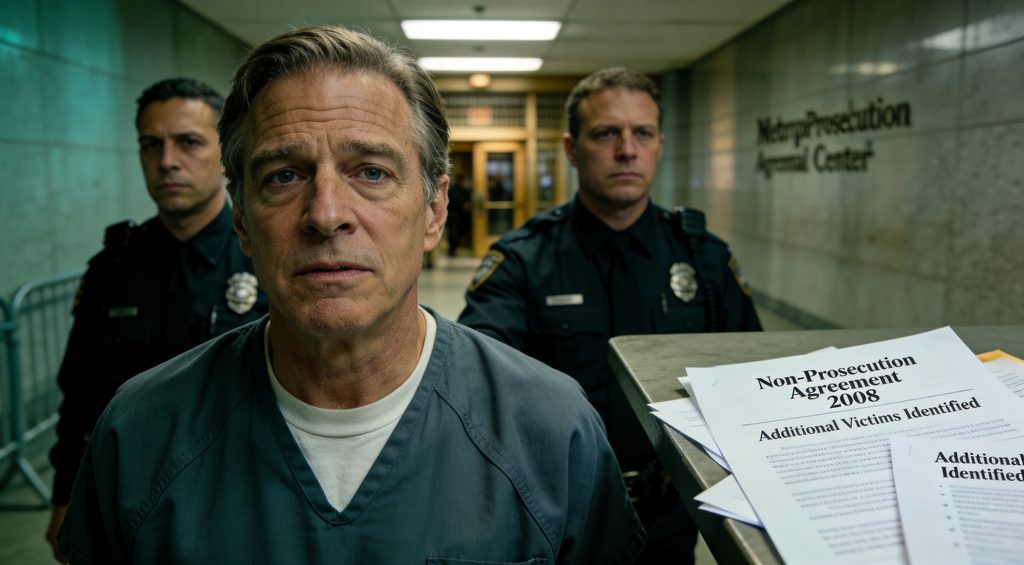
In two thousand and eight, U.S. Attorney Alexander Acosta — who would later serve as Secretary of Labor under the first Trump administration — entered into a non-prosecution agreement with Epstein. The agreement was negotiated in secret. Victims were not notified. Epstein pleaded guilty to two state charges of soliciting prostitution and was sentenced to eighteen months in the Palm Beach County jail. He served thirteen months. He was permitted work release for up to twelve hours a day, six days a week, for most of the sentence. The federal investigation was closed. Acosta later stated, in justification of the deal, that he had been told to back off because Epstein, quote, belonged to intelligence and was above my pay grade. He did not specify which intelligence service.

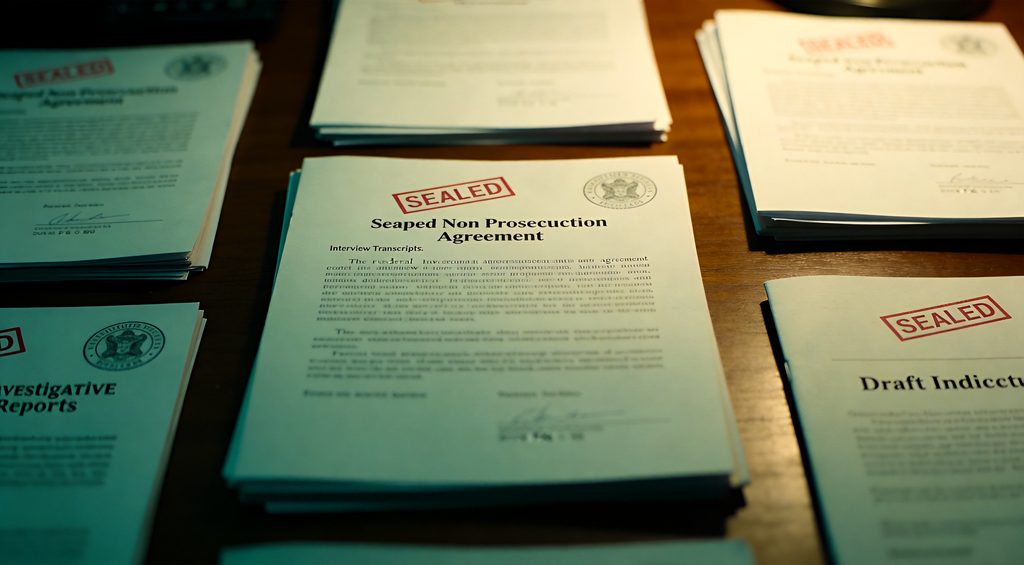
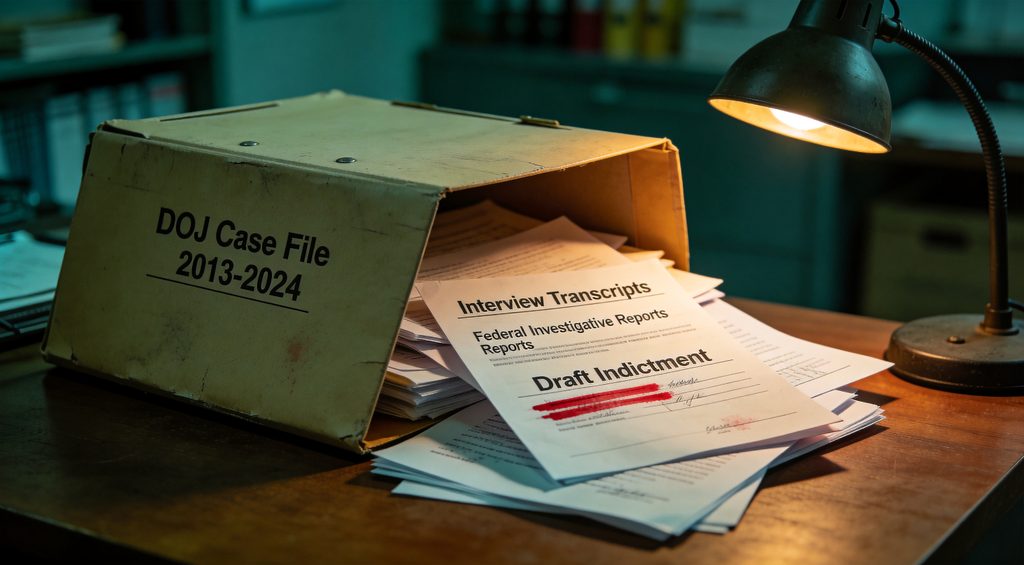
The non-prosecution agreement was sealed. So were its associated documents — interview transcripts, federal investigative reports, the draft indictment. They went into the Department of Justice's case file. They did not come out.
For eleven years, they did not come out.
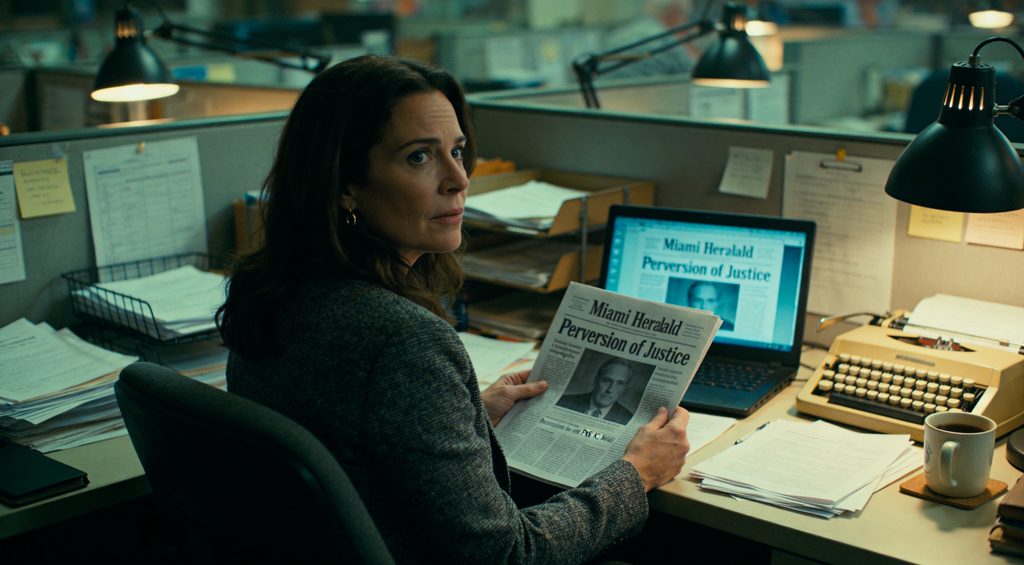
In July of two thousand nineteen, a different U.S. Attorney's Office — the Southern District of New York — filed a separate set of federal charges against Epstein. The case had been developed independently after the Miami Herald published a multi-part investigation by reporter Julie K. Brown titled Perversion of Justice, which detailed the two thousand and eight non-prosecution agreement and identified additional victims.
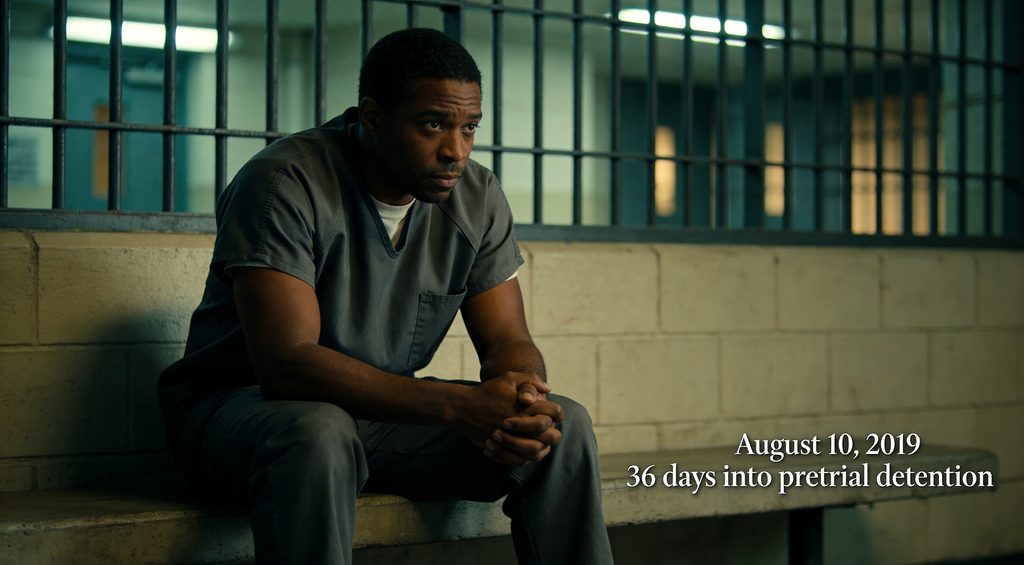
Epstein was arrested. He was held at the Metropolitan Correctional Center in lower Manhattan pending trial. On August tenth, two thousand nineteen, thirty-six days into pre-trial detention, he was found unresponsive in his cell.
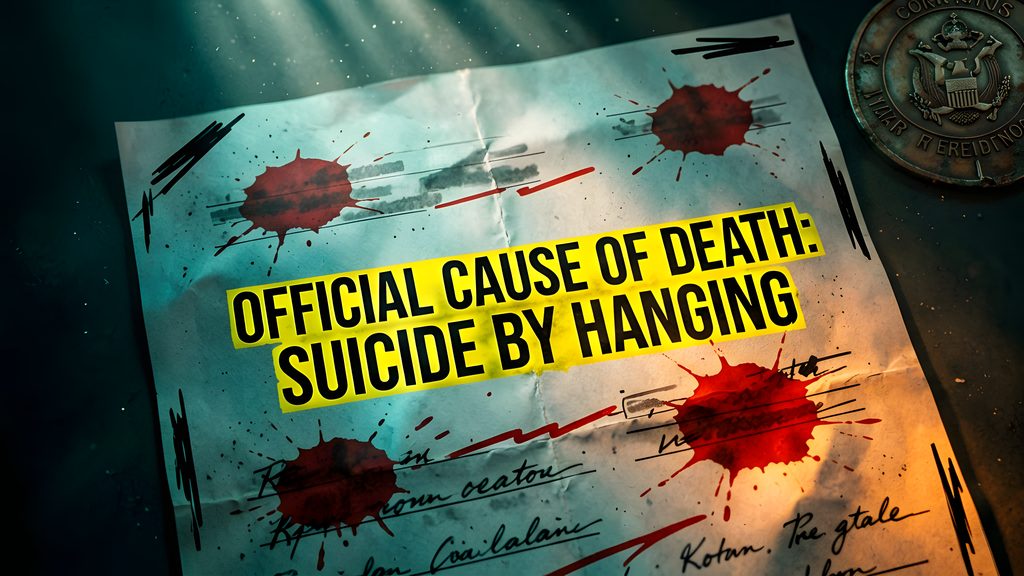
The official cause of death was suicide by hanging.
The Federal Bureau of Prisons internal investigation that followed found that the two officers assigned to monitor his cell had falsified records showing that the required thirty-minute checks had been conducted. They had not. The video surveillance system covering the cell had failed during the relevant window. The forensic pathologist hired by Epstein's family, Michael Baden, disputed the official cause of death and stated that the injuries to Epstein's neck were more consistent with strangulation than with hanging. The medical examiner's office of New York City stood by its ruling.
The federal criminal case against Epstein ended with his death. The criminal investigation continued, in part, against his associates. In December of two thousand twenty-one, Ghislaine Maxwell — Epstein's longtime partner and the person identified in multiple victim accounts as the procurer of the trafficked minors — was convicted of five federal charges in the Southern District of New York. She was sentenced to twenty years in federal prison.
The case file, however, was not closed.
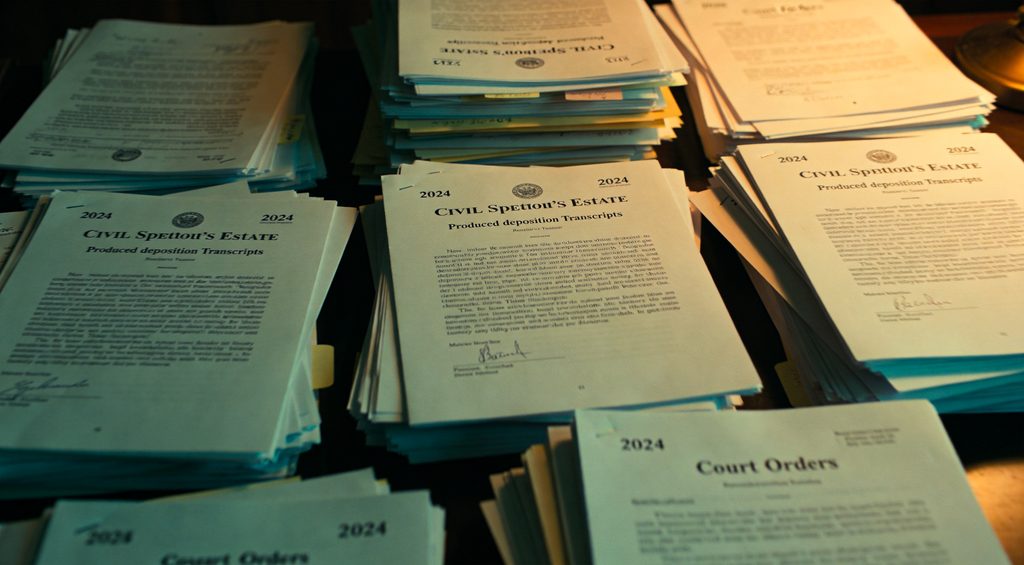
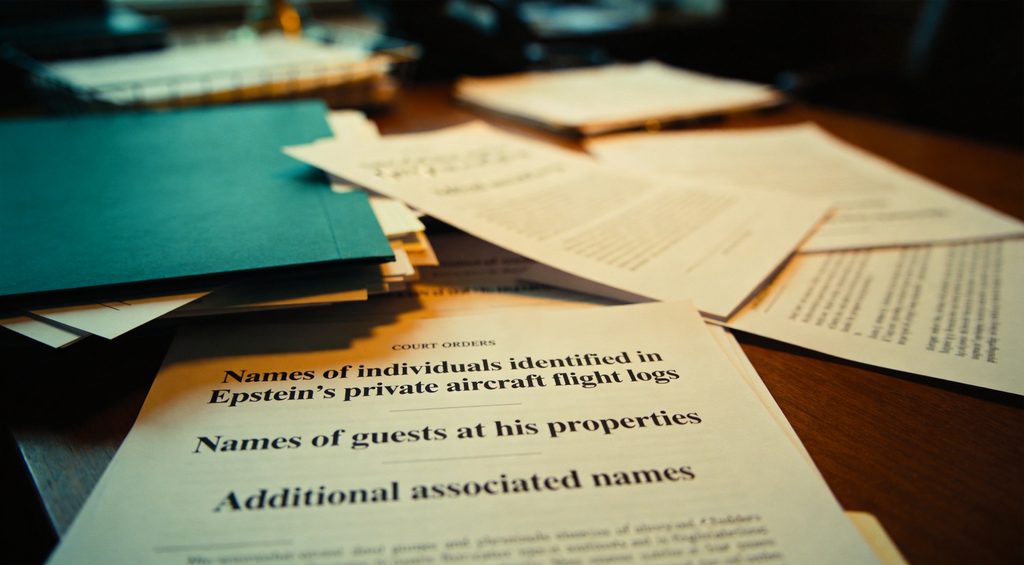
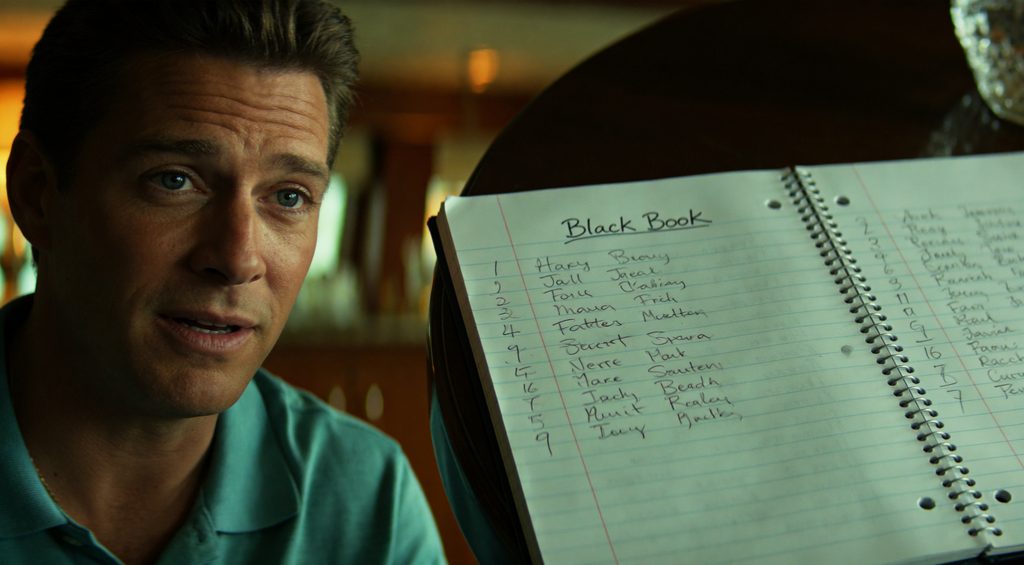
Between two thousand twenty and two thousand twenty-four, hundreds of documents accumulated in the federal court record. Civil suits by victims against Epstein's estate produced depositions. Court orders in those civil cases released, in batches, the names of individuals identified in flight logs from Epstein's private aircraft, the names of guests at his properties, and the names of individuals who had been listed in the so-called black book — a personal address book maintained by Epstein and recovered in the two thousand and five Palm Beach search.

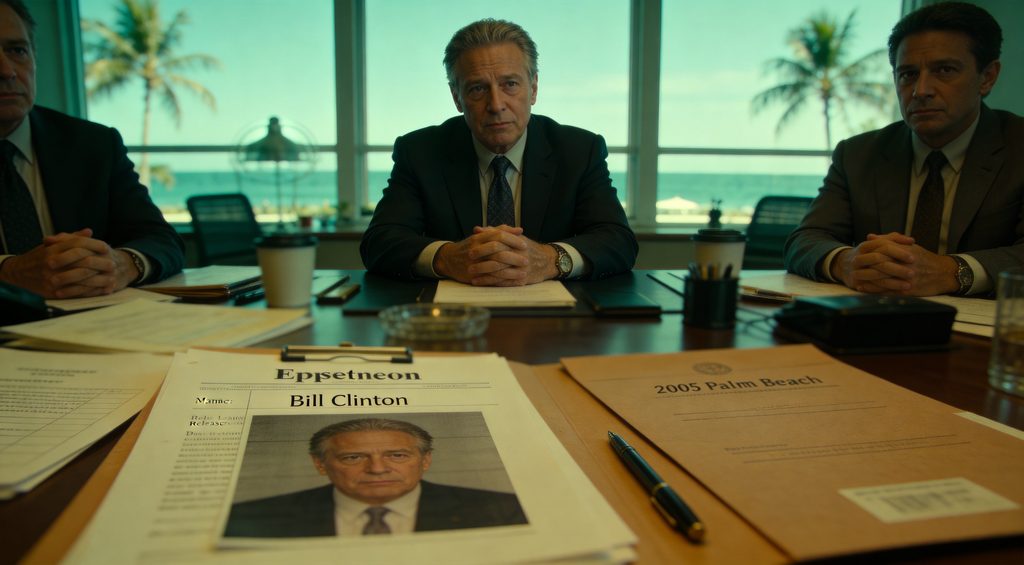
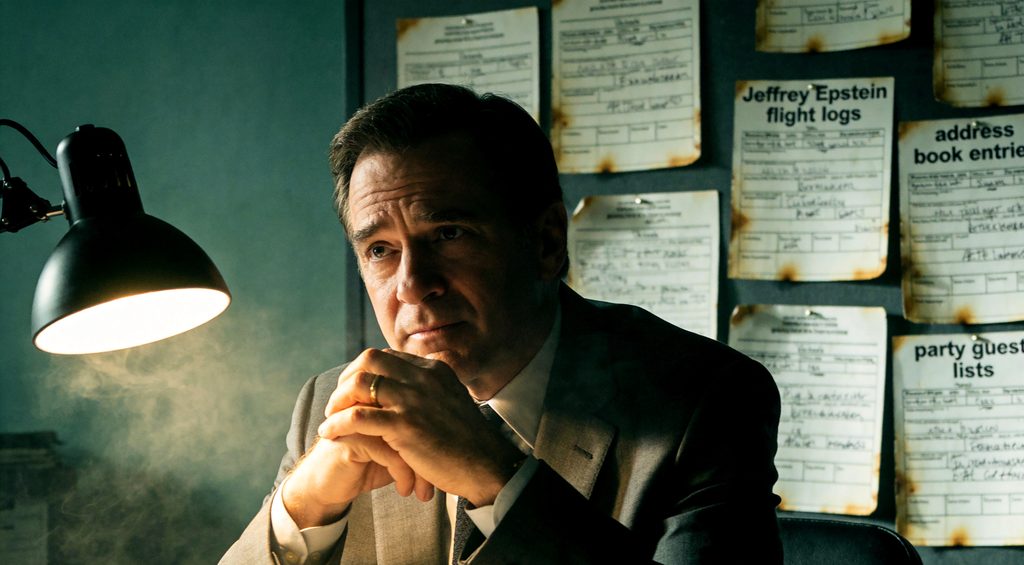
By late twenty twenty-four, the names made public through these releases included Bill Clinton, Donald Trump, Prince Andrew of the British royal family, Alan Dershowitz, Stephen Hawking, Richard Branson, Bill Gates, Reid Hoffman, Naomi Campbell, and dozens of others. The release of names did not, by itself, indicate criminal involvement. The releases identified individuals whose names appeared in Epstein's records — flight logs, address books, party guest lists. They were not indictments. They were not accusations. They were data points whose interpretation required additional context that the public did not have.
The public did not have the additional context because the additional context — the FBI investigative files, the federal grand jury materials, the records of who was interviewed in which years for which purposes — remained sealed.
In February of two thousand twenty-five, the political process around the Epstein records moved in a specific and documented direction.
On February twenty-first, Attorney General Pam Bondi, who had been confirmed by the Senate one month earlier, appeared on Fox News. The host asked whether the Department of Justice would release the Epstein files. Bondi answered that the so-called client list was, quote, sitting on my desk right now to review. The quote was widely reported. It was treated by the host and by subsequent coverage as confirmation that a discrete document by that name existed within the Justice Department's records.
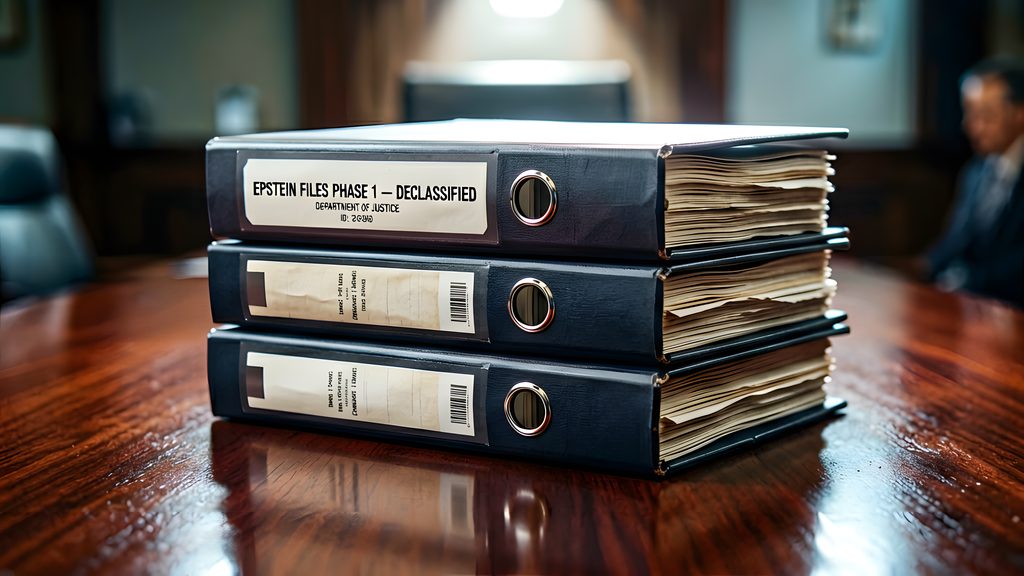
Six days later, on February twenty-seventh, the White House invited approximately fifteen conservative media personalities and political influencers to a private event at the Eisenhower Executive Office Building. Each invitee was given a three-ring binder. The binders were labeled, on their spines, EPSTEIN FILES: PHASE 1 — DECLASSIFIED. The contents were photographed by some of the recipients and posted on social media within the same day.
The contents, when examined by reporters who reviewed the social media photographs and obtained copies, consisted almost entirely of materials that had previously been public — court filings from civil suits, flight logs that had been released by the courts in twenty fifteen, and the original black book pages from the two thousand and six Palm Beach search that had been published by Gawker in twenty fifteen.

The binders did not contain a client list. They did not contain previously sealed FBI investigative files. They did not contain federal grand jury materials. The Justice Department did not release any internal memoranda. The phrase Phase 1 implied the existence of subsequent phases. No subsequent phase was released.
On July seventh, two thousand twenty-five, the Department of Justice issued a two-page memorandum.
The memorandum was attributed jointly to the Department of Justice and the Federal Bureau of Investigation. It stated that an exhaustive review of all materials related to the federal investigation of Jeffrey Epstein had been completed. It stated three specific conclusions.
First: no credible evidence had been identified to support the claim that Epstein had used compromising material to blackmail prominent individuals.
Second: no Jeffrey Epstein client list, as that phrase had been used in public discussion, existed in the Department's records.
Third: no further investigative action was contemplated.
The memorandum did not address the Attorney General's February statement that the list was sitting on her desk. The memorandum did not address the Phase 1 binders distributed to White House invitees. The memorandum did not address why a Phase 1 designation had been used if no further phases were planned.
The bipartisan response was immediate. Senators from both parties — including Senator Richard Blumenthal of Connecticut on the Democratic side and Senator Ron Johnson of Wisconsin on the Republican side — issued letters demanding clarification of how the Department had reached its conclusions, what specifically had been reviewed, and how the conclusions reconciled with the Attorney General's prior statements. The Department did not respond substantively to these inquiries.
The Attorney General did not retract or clarify her February statement.
The legislative response took four months to organize.
On November nineteenth, two thousand twenty-five, the Epstein Files Transparency Act passed both houses of the United States Congress and was signed into law by President Donald Trump. The Act required the Attorney General to make publicly available, in a searchable and downloadable format, every record in the possession of the Department of Justice or the Federal Bureau of Investigation that pertained to the prosecution or investigation of Jeffrey Epstein, Ghislaine Maxwell, or any associated party. The deadline for compliance was thirty days after enactment.
The legal force of the Act was unusual. It did not merely request release. It commanded it, by statute, with specific timeline. The Department of Justice could not assert prosecutorial discretion. It could not assert ongoing investigation. The only permissible redactions were those required to protect the identity of victims who had not previously been publicly identified, the personal information of confidential informants, and material whose release would violate specific named federal statutes governing grand jury secrecy under Rule 6 of the Federal Rules of Criminal Procedure.
Thirty days after November nineteenth is December nineteenth.
On the morning of December nineteenth, two thousand twenty-five, the Department of Justice posted an initial release of Epstein-related documents to its public website.
The release was four hundred and seventy-two pages.
Of those, more than five hundred individual page sections — meaning portions of pages, headers, partial paragraphs across multiple pages — were redacted entirely. Five hundred pages were not blacked out at all; only several hundred page-sections were. But the cumulative effect was that a significant fraction of the released material was unreadable. Some pages contained only headers, page numbers, and the redaction codes used by the Department's classification system.
Bipartisan congressional response was sharper than in July. The chairs of the House Judiciary Committee and the Senate Judiciary Committee issued separate statements within twenty-four hours stating that the release did not comply with the Act. The Department of Justice replied that the redactions were required by the statute's own exceptions for victim identity and grand jury material.
The Senate Judiciary Committee scheduled a hearing.
On January thirtieth, two thousand twenty-six, the Department of Justice released a second batch of materials. The scale was different.
The second release consisted of three point five million pages of documents, one hundred and eighty thousand photographic images, and approximately two thousand video files. The materials were posted to a Department-controlled search portal with a basic full-text indexing capability. The Department's accompanying statement described the release as comprising the entirety of the Department's responsive holdings, with the exception of the categories specifically exempted by the Act.
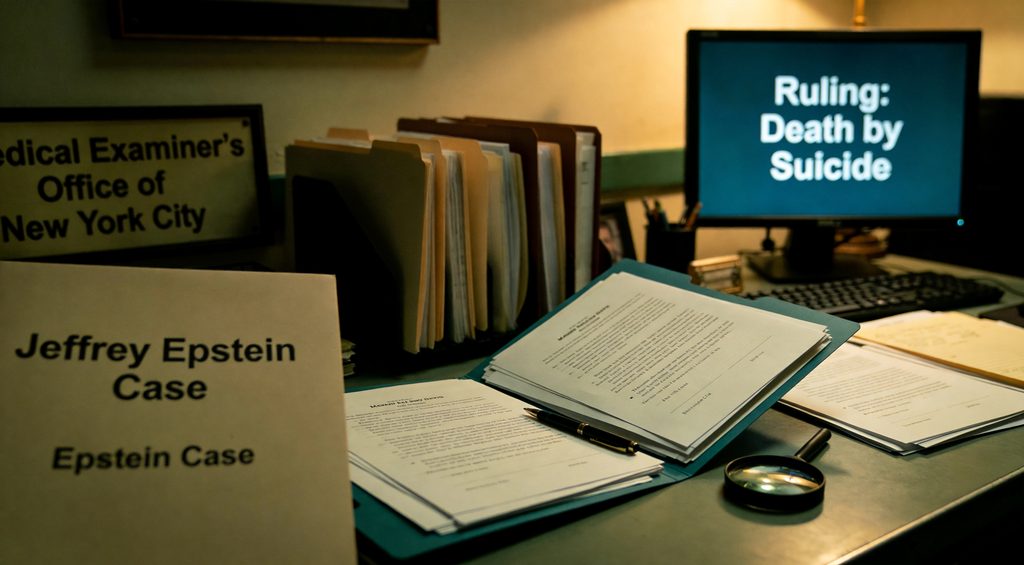
Independent analysis of the release began within hours. Initial sampling by journalists at multiple outlets — the Washington Post, the New York Times, ProPublica, the Miami Herald, Reuters — identified categories of documents that had not previously been public. These included internal FBI investigative memoranda from two thousand five through two thousand eight, the original draft of the federal indictment that Acosta had declined to file, internal Department of Justice deliberation notes on the two thousand and eight non-prosecution agreement, victim interview transcripts that had been partially summarized but not previously released in full, and several thousand pages of correspondence between Epstein and associates whose identities the Department had retained.
The release also contained significant redactions. Names were blacked out across hundreds of memos. Specific case file numbers were redacted. Approximately one hundred and twenty thousand pages were either fully or substantially redacted. The grounds were the same as in the December release: victim privacy, grand jury secrecy, ongoing investigations into associated parties whose identities the Department was not yet prepared to disclose.

What the second release did establish, in concrete documentary form, was that Epstein had been the subject of three separate federal investigative inquiries over thirteen years. The first, in two thousand five and two thousand six, was the Palm Beach FBI investigation that resulted in the Acosta non-prosecution agreement. The second, between two thousand and ten and two thousand and twelve, was a re-examination by the FBI's Public Corruption Unit prompted by an inspector general review of the original deal. The third, in two thousand eighteen and two thousand nineteen, was the Southern District of New York investigation that led to the indictment.

Each of the first two investigations was closed without indictment. The records of why each was closed — the memoranda summarizing the prosecutorial decision, the deliberation notes documenting which witnesses were interviewed and which were not, the management chain of approval — are now in the public record. They have been since the January thirtieth release. The interpretation of them is contested. The fact of their existence is not.
The political process around the Epstein records remains active.
On April twenty-ninth, two thousand twenty-six, Attorney General Bondi — who had previously declined an invitation to testify before the House Oversight and Government Reform Committee regarding her handling of the Epstein files — reversed that position. Her testimony is scheduled for May twenty-ninth.
The questions she has been notified she will be asked include the following.
Why, in February of two thousand twenty-five, did she state publicly that the Epstein client list was on her desk for review.
What was on her desk.

Whether the materials distributed in the Phase 1 binders on February twenty-seventh accurately represented the Department's holdings.
Why the July seventh memorandum concluded that no client list existed.
How those two statements — the February statement and the July memorandum — are reconciled.
Why the December nineteenth release contained the redaction pattern that it did.
Why specific named individuals whose names appeared in the unsealed civil court materials over the preceding five years were not identified by the Department as having been the subjects of any internal interview or review.
The Attorney General's prepared response to these questions, as of the date of this case file, has not been made public. Her testimony, when given, will become part of the congressional record.
The state of the case as of this recording is as follows.
The Department of Justice has released, in two batches, approximately three point five million pages of records relating to the federal investigation of Jeffrey Epstein and his associates. The first batch was heavily redacted on its release date. The second batch was less heavily redacted but still contains an estimated one hundred and twenty thousand pages of substantial or full redaction. The redactions are, by the Department's stated rationale, required by the Epstein Files Transparency Act's own carve-outs for victim privacy, grand jury secrecy, and ongoing investigations.

The contradiction between the Attorney General's February twenty twenty-five statement that the client list was on her desk and the July twenty twenty-five Department memorandum stating that no such list exists has not been resolved on the public record. The Attorney General will testify, under oath, on May twenty-ninth.
Public attention to the case has not subsided. The released materials are being indexed, analyzed, and reported on by journalists across multiple outlets. New names continue to surface from the documents. The full implication of the materials — what the FBI knew, when, who reviewed which files, who in the federal government had what level of access to the records during the sixteen years between the Acosta deal and the Transparency Act — is still being established by independent review.
What the case demonstrates, beyond any of its specific revelations about Epstein himself, is the operating geometry of the modern American information state. The Department of Justice held the records. The political branches contested whether and how the records would be released. Congress passed a statute compelling release. The Department complied with the statute by releasing materials in a format that bipartisan oversight committees called insufficient. A more complete release followed. Substantial redactions remained. The Attorney General who said one thing about the records in February will be asked, in late May, why she said it.
These are not the events of an investigative scandal in the conventional sense. They are the events of a records-management dispute conducted in public, between two branches of the federal government, over a case file whose existence and partial contents have been public knowledge for fifteen years.
The records exist. They are being released. They are being read.
Whatever was on the Attorney General's desk in February of twenty twenty-five — whatever that document or set of documents was — it is now, by force of federal law, on every searchable government archive that anyone with an internet connection can query. The redactions remain. The unanswered questions remain. The institutional record of a sixteen-year prosecutorial silence has been compelled, by congressional action, into a form the public can examine.
This is what records do, eventually, when the political pressure to release them exceeds the political cost of withholding them. The pressure took fifteen years to build. The release, when it came, was compelled by statute, not granted by discretion. The pages that were blacked out are still blacked out. The names that were withheld are still withheld. The Attorney General's testimony is one week away.
This case is not closed. It is, for the first time in sixteen years, open.

This is Fragment Zero, Case File forty-five. The Epstein Files.
Subscribe. Turn on notifications. Because the next time someone tells you a government record is too sensitive to release, you will know how long it takes — and what it takes — to compel its release.
We will be watching. We will be listening.
The pages are being read.
Every factual claim in this case file is supported by one of the following public sources. Click each to verify against the primary record.
-
Epstein Files Transparency Act — Wikipedia
— Wikipedia
(2026-05)
Full legislative history of the EFTA, congressional vote tallies, signing date, compliance deadlines, and the DOJ's release record.
-
Epstein files — Wikipedia
— Wikipedia
(2026-05)
Overview of the documents released, the political controversy, and the contradictions between AG Bondi's February 2025 statements and the July 7 DOJ memorandum.
-
Jeffrey Epstein client list — Wikipedia
— Wikipedia
(2026-05)
Documentation of the disputed 'client list' framing, its appearance in February 2025 White House binders, and the July 2025 DOJ denial.
-
Attorney General Pam Bondi Releases First Phase of Declassified Epstein Files
— U.S. Department of Justice
(2025-02-27)
Official DOJ press release for the Phase 1 binder distribution event.
-
Department of Justice Publishes 3.5 Million Responsive Pages in Compliance with the Epstein Files Transparency Act
— U.S. Department of Justice
(2026-01-30)
Official DOJ press release for the 3.5-million-page January 2026 release.
-
A timeline of the Jeffrey Epstein investigation and the fight to make the government's files public
— PBS NewsHour
(2025)
Comprehensive timeline of the Epstein investigations from the 2005 Palm Beach inquiry through the 2025 EFTA process.
-
Senator Blumenthal Letter to DOJ OIG on Epstein File Release
— Office of Senator Richard Blumenthal
(2025-12-24)
Senatorial demand letter to DOJ OIG concerning the December 19 release redactions and inconsistencies with the EFTA's statutory requirements.
-
Senate Judiciary Committee Letter to AG Bondi (July 18, 2025)
— U.S. Senate Committee on the Judiciary
(2025-07-18)
Bipartisan congressional inquiry letter to the Attorney General following the July 7 memorandum.
-
Axios: What are the Epstein files and will Trump release them?
— Axios
(2025-07-24)
Mainstream press coverage of the political controversy surrounding the Phase 1 binder event and the July DOJ memorandum.
-
Perversion of Justice — Miami Herald investigation by Julie K. Brown
— Miami Herald
(2018-11)
The investigative series that led to the 2019 SDNY federal indictment of Jeffrey Epstein and the unsealing of the Acosta non-prosecution agreement.